11 August 2026 · Daivagya
Jaimini Astrology for Beginners: A Simpler Way to Read Marriage
Jaimini astrology reads marriage through karakas, arudhas and rashi dashas. A clear beginner's guide to what it adds beyond the usual Parashari reading.
Quick answer
Jaimini astrology simplifies marriage analysis by focusing on specific planetary significators called chara karakas and sign-based timing. By identifying the Darakaraka to describe the spouse and the Upapada Lagna to assess the marriage’s stability, this system provides a direct alternative to traditional methods. It offers a clear, objective perspective on relationship dynamics and timing that complements standard Vedic techniques for more accurate predictions.
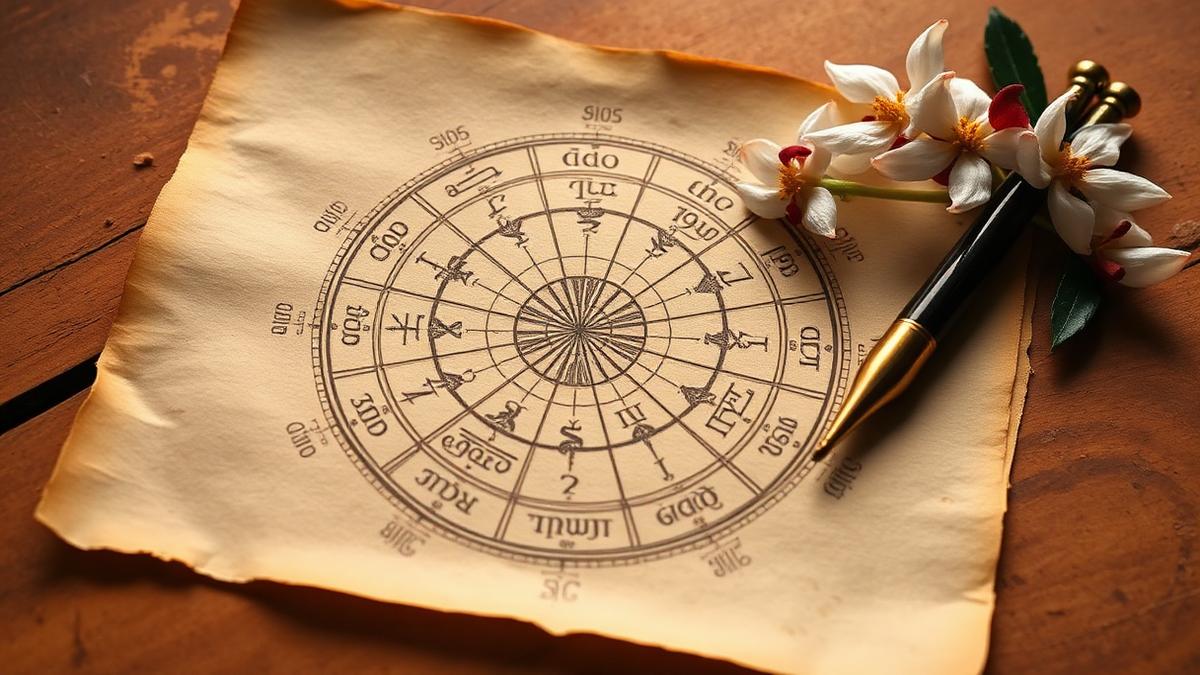
Most of the astrology you have read online is Parashari — houses, planets, aspects, Vimshottari dasha. It is the mainstream system, and it works. But there is a second classical system that I lean on heavily when a marriage question is difficult, and it deserves to be better known: Jaimini astrology.
People assume it is complicated. In practice, for marriage questions, it is often simpler and more direct.
How is Jaimini different from Parashari astrology?
Three differences matter for a beginner.
- Jaimini uses chara karakas — significators decided by planetary degrees, not fixed rules. Your spouse is described by Darakaraka, whichever planet holds the lowest degree in your chart.
- It uses arudhas, reflection points that show how a matter appears in the world. Upapada Lagna, the arudha of the 12th house, is the Jaimini marker for marriage.
- It uses rashi dashas — sign-based timing periods such as Chara Dasha — instead of relying only on Vimshottari.
Nothing here replaces Parashari. I use both, always. Jaimini is a second opinion from a different angle.
Why does Jaimini help with marriage questions?
Because it separates two things that Parashari often blends: the person you marry, and the marriage as an institution.
Darakaraka describes the partner — their temperament, their background, the kind of energy they bring. Upapada Lagna describes the marriage itself — its stability, its public face, how long it will hold its shape.
I have often seen charts where the 7th house looks disturbed but Upapada is clean and well supported. Those marriages usually survive their storms. The reverse — an attractive 7th house with a wrecked Upapada — is the pattern I treat with much more caution.
What should a beginner actually look at?
Start with four points and nothing more:
- Darakaraka — the planet with the lowest degree. This is your spouse''s signature.
- Upapada Lagna — the marriage itself, and the 2nd house from it for sustenance.
- Karakamsa — the Navamsa sign of your Atmakaraka, and the 7th house from it.
- Chara Dasha — which sign period you are running, to time the event.
When these four agree with the Parashari reading of the 7th house, 7th lord and Navamsa, a prediction becomes genuinely reliable. When they disagree, an honest astrologer says the picture is mixed rather than inventing certainty.
Is Jaimini better than Parashari?
No. That is the wrong question, and I say so plainly to everyone who asks.
Jaimini is sharper for describing the spouse and for sign-based timing. Parashari is stronger for detailed house analysis, dashas and remedies. Used together, they check each other — and a prediction that survives both systems is one I am comfortable putting my name to.
If you want your marriage read through both systems, generate your chart on the kundli page and book a personal, confidential consultation through the booking page.
Continue reading
Retrograde Planets in a Birth Chart and What They Change
Retrograde planets in a birth chart do not mean weakness. Learn what they actually change in timing, temperament and marriage matters.
Property, Loans and Joint Finances Through the 4th House
How the 4th house reveals property, loans and joint financial harmony in marriage, and when to plan big purchases with confidence.
Will Marriage Improve Your Luck? What the Chart Suggests
Does marriage really improve luck? Learn how the 7th house, dasha timing and chart compatibility actually influence fortune after marriage.
Commitment in the Chart: Signs of a Partner Who Stays
How to read stability, loyalty and long-term commitment in a birth chart before you say yes to a match.
New here? Start with the full guide to Marriage Timing in Vedic Astrology, or try the free kundli tool.
Want your specific situation analysed?
Book a private Marriage & Relationship Consultation with Dr. Rahul Singh — your charts read in detail, with a clear, confidential opinion you can act on.
Limited offer · was ₹7,500 · 60-minute consultation + detailed written analysis